Tanzania
Nyerere National Park, formerly the vast northern part of the Selous Game Reserve,
is Tanzania's largest national park and Africa's largest protected area.
Nyerere National Park was established in year 2019 and cover an area of over 30,000 square kilometers. With its largest wilderness area in Africa, Nyerere National park has relatively undisturbed ecological and biological processes, including diverse range of wildlife with significant predator and prey relationship.
The might Rufiji with its renown population of hippo and Rhino flows to Indian ocean. The river has been designated as a photographic zone and is a popular tourist destination. The sheer volume of game in the Nyerere is just outstanding!
Elephant, buffalo and lion are found in greater numbers and the park, together with the remaining part of Selous has the last true stronghold for African wild dog. Visitors to this vast Nyarere National Park will be able to enjoy the widest diversity of safari activities in the country, like boating safaris as well as standard game drives, walking safaris and legendary fly camping trips.
At 30,893 square kilometers, the vast Nyerere National Park is actually Africa's largest stand alone National Park, and one of the largest in the world. The park is located in south Eastern Tanzania, roughly 230 kilometers by road from Dar es Salaam city to Mtemere Gate, and was carved out from the Selous Game reserve, a huge wilderness area and safari destination in Southern Tanzania. Nyerere Park boasts of the largest concentration of wild animals and a rich collection of wildlife that is abundant and diverse. The fact that this park is new and largely less frequented by tourists means that the animals here tend to be less exposed to humans. Good numbers of Big Cats such as Lion, Leopard, Cheetah are to be found here along with other large Game animals such as Elephant, Rhino, Buffalo, Giraffe, Eland, Zebra, Wildebeest and other wildlife.
With a truly massive wilderness area in East Africa, this National park has an undisturbed ecology and can be considered to be more remote, pristine and unspoilt compared to the more visited parks in Tanzania, such as Serengeti, Ngorongoro and Tarangire. The park is home to an intact and diverse range of wildlife exhibiting significant predator and prey relationship. The great Rufiji River, the largest river in Tanzania, which flows into the Indian Ocean and has a healthy population of hippo and crocodiles,flows through the northern part of the park and is one of the tourist attractions here. The river is very picturesque and a designated photographic zone. The Nyerere Park, as this destination is also referred to as, is among the best wildlife areas to spot some of the fascinating wild animals of Africa.
 Elephant at the Nyerere National Park
  Hyena at the Nyerere National Park
 There is a plethora of wildlife in Nyerere National Park. There are approximately 100,000 wildebeests, 35,000 giraffes, 145,000 buffalos, 250,000 impalas, 4000 lions, 40,000 hippos and large numbers of crocodiles, leopards, elands, elephants, bushbucks, waterbucks, Lichtenstein’s hartebeest and hyenas. The park is also among the few in Africa where you will come across the puku antelopes, sable antelope and the African wild dog.
If you are an avid bird watcher, you must visit Nyerere National Park. Over 445 bird species have been recorded, including migrant and endemic birds such as kingfishers, African skimmers, and pelicans, which are found along the shore of the lake. Other birds include trumpeters, malachite kingfishers, purple-crested turaco, white-fronted bee-eater, carmine, fish eagles, palm-nut vultures, hornbill, and yellow-billed stork ibises.

Tanzania's smallest but most renowned national parks, globally famous as the site of Jane Goodall's groundbreaking chimpanzee research.
Gombe National Park

It's the third largest national park in Tanzania, and its inaccessibility contributes to its pristine wilderness
Katavi National Park

One of the few places in Africa where lions are regularly seen climbing and lounging in trees.
Lake Manyara National Park
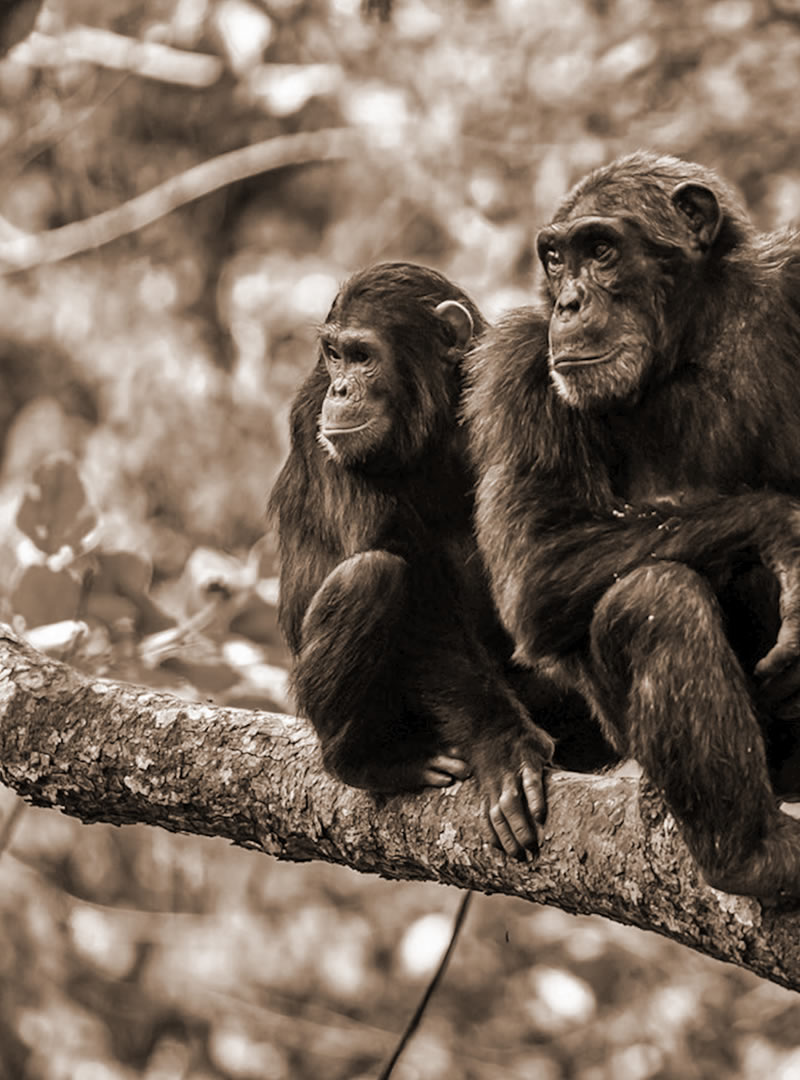
known for its chimpanzee trekking, offering an unparalleled opportunity to observe these incredible primates
Mahale Mountains National Park

Mikumi National park is home to a unique species of giraffe compared to its counterparts, with a mix of the Masai giraffe and the reticulated giraffe
Mikumi National Park
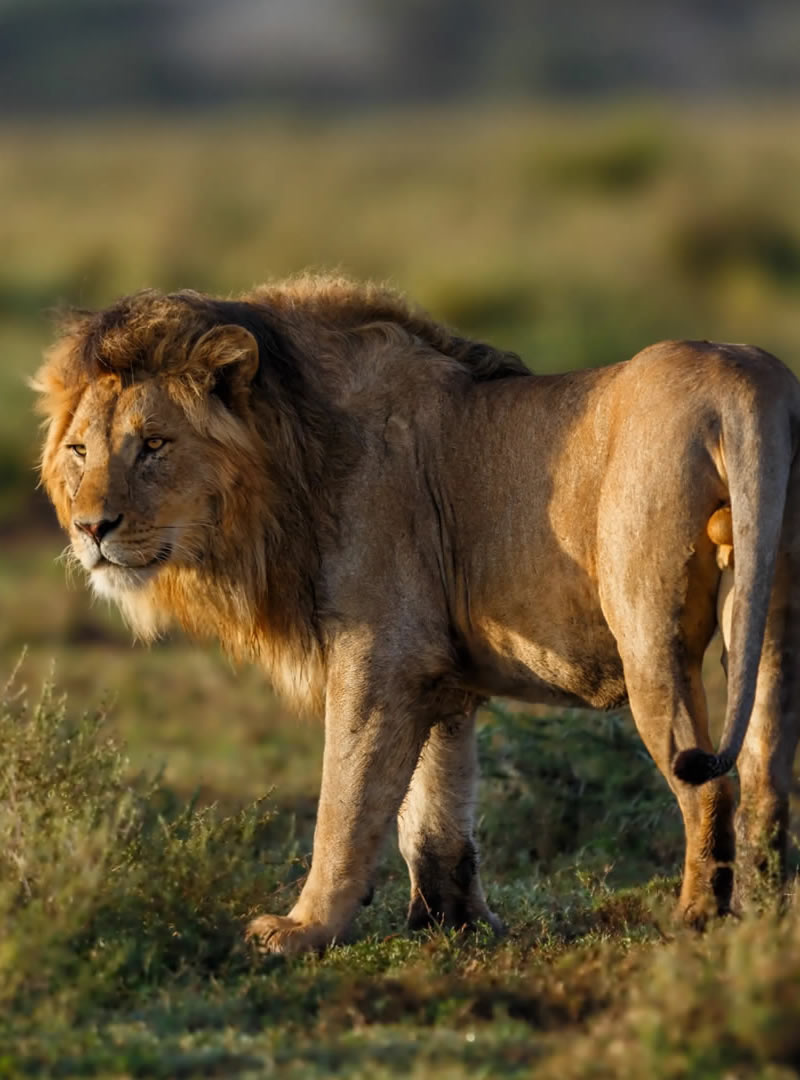
Its most famous feature is the spectacular Ngorongoro Crater, often referred to as the "Eighth Wonder of the World."
Ngorongoro Conservation Area
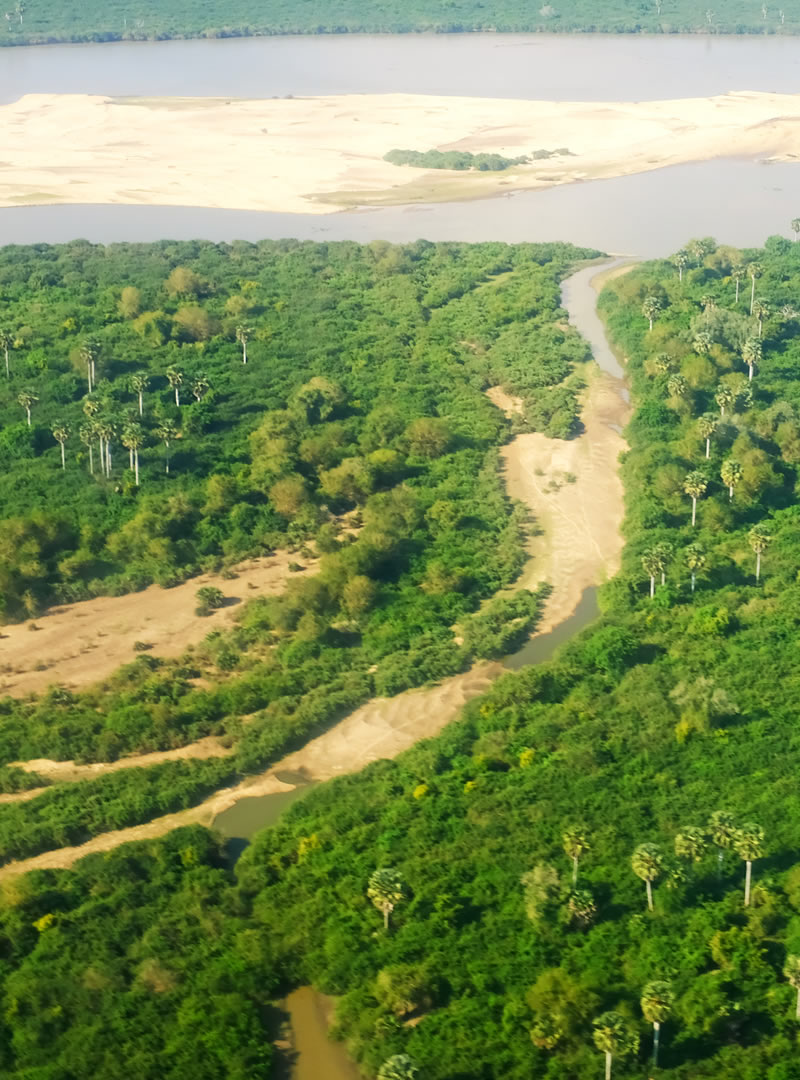
Formerly the vast northern part of the Selous Game Reserve, is Tanzania's largest national park and Africa's largest protected area.
Nyerere National Park
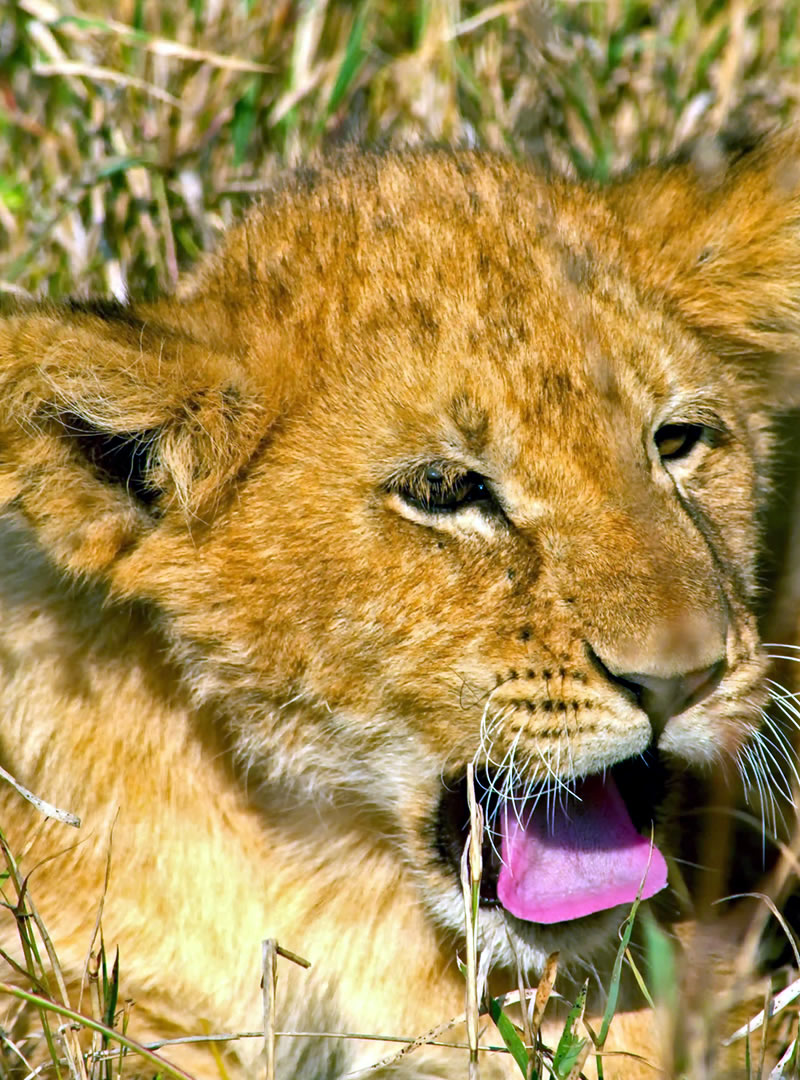
A wild and untamed gem, representing one of Africa's most authentic and rewarding safari experiences.
Ruaha National Park

Renowned for its incredible wildlife density and, most famously, the annual Great Wildebeest Migration
Serengeti National Park
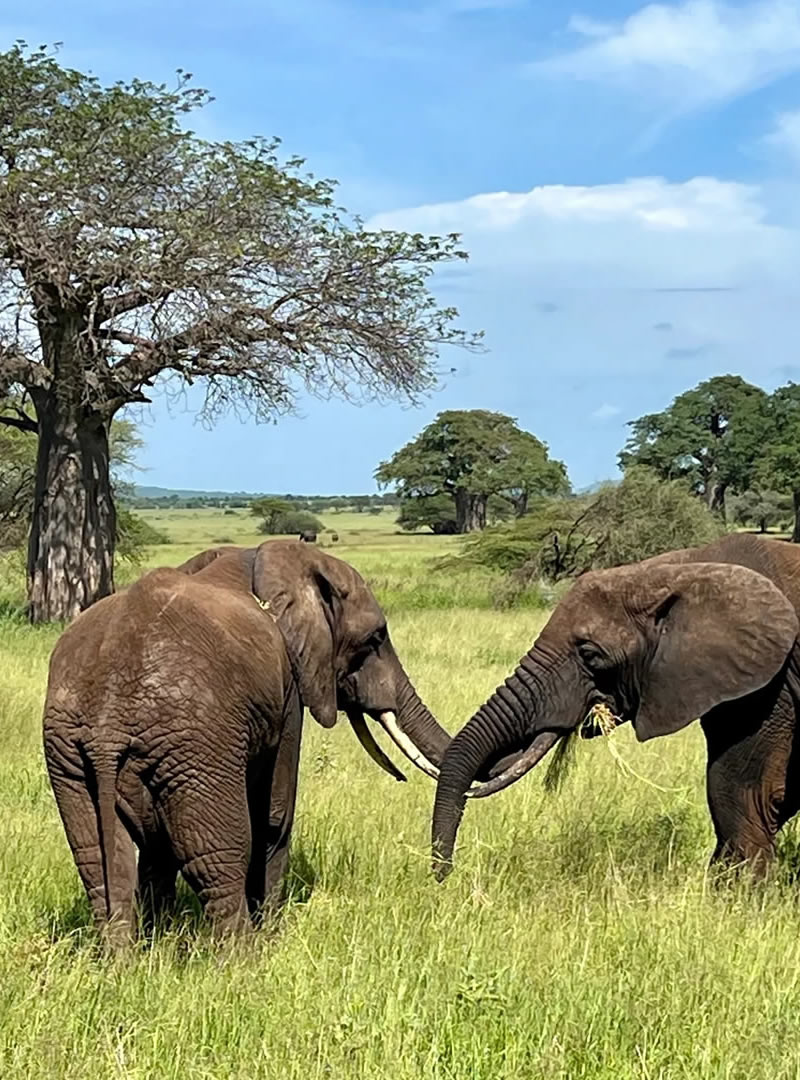
Famous for its enormous elephant herds, iconic baobab trees, and its role as a dry-season refuge for a vast amount of wildlife
Tarangire National Park
We are easy to reach. You can call us on +254 115 351564 | +254 106 355764. Send us emails on info@viagensafricasafaris.com and you will receive a prompt response from us.