Tanzania
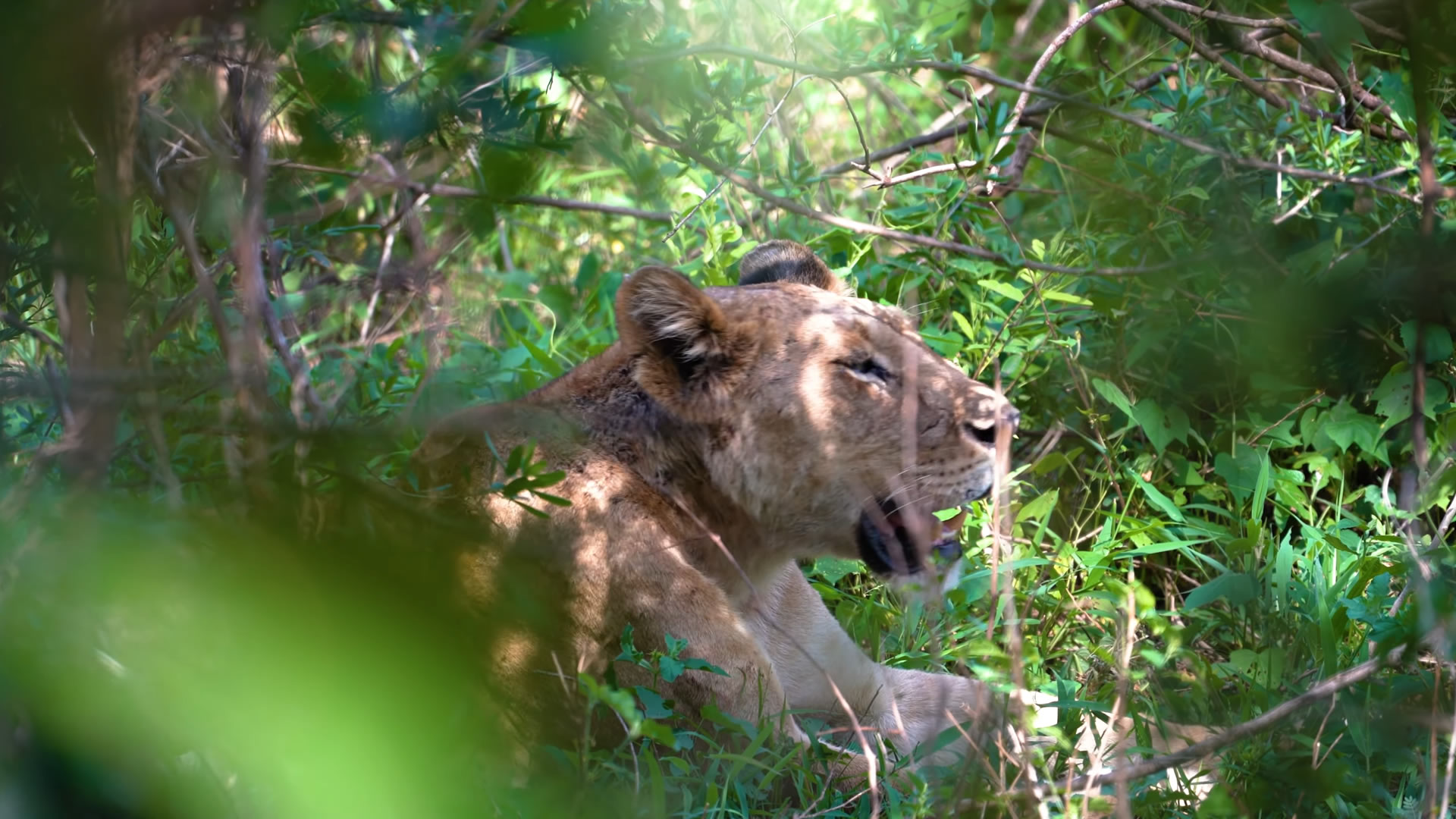
One of the few places in Africa where lions are regularly seen climbing and lounging in trees.
Lake Manyara National Park is a birder’s heaven (it’s frequented by 300 migratory avians), and the water from its Crater Highlands-supplied springs makes it a forested redoubt for all the most glamourous large mammals, including the famed Manyara tree-climbing lions (it’s a little irreverent, but tree-lounging might be a better description).
If you’ve seen Out of Africa (if not: you owe it to yourself) you’re familiar with Lake Manyara. It’s the lake that Denys Finch Hatton and Karen Blixen fly over in a biplane, the lake that heart-thumpingly seems to burst into life, when tens — hundreds! — of thousands of flamingos lift from its waters.
Lake Manyara is a shallow alkaline lake at the base of the western stretches of the Rift Valley Escarpment. It glitters in the sun and is often covered in cloud upon cloud of pink lesser flamingos. In the deeper areas of the lake small pods of hippo bask, ears flickering, with egrets resting on their backs. Surrounding the lake is a particularly pretty park with a variety of habitats, including grassy floodplains, groundwater forest, acacia woodland and the rocky base of the escarpment.
The park has excellent game densities and is perhaps best known for its tree-climbing lion, often found sprawled in the branches of sausage trees. There are big troops of olive baboon and blue monkeys, prolific elephant, buffalo, wildebeest, giraffe and zebra as well as a whole host of smaller animals. Birdlife in the park is superb, with almost 400 species recorded. There are iridescent bee-eaters, silvery-cheeked hornbills and on the lake you’ll often find white pelicans as well as the flocks of flamingo.
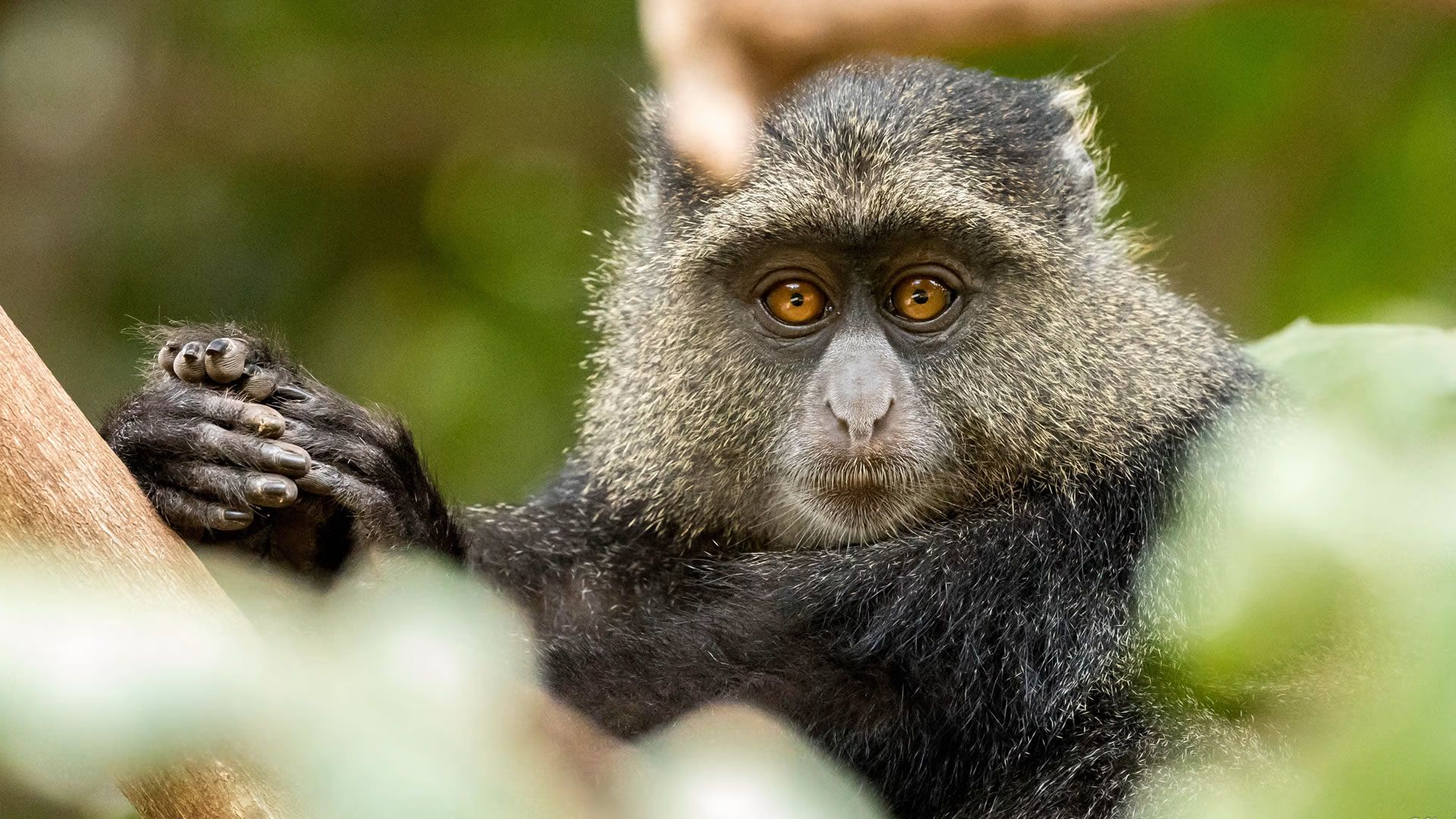 Golden Monkey at Lake Manyara National Park
 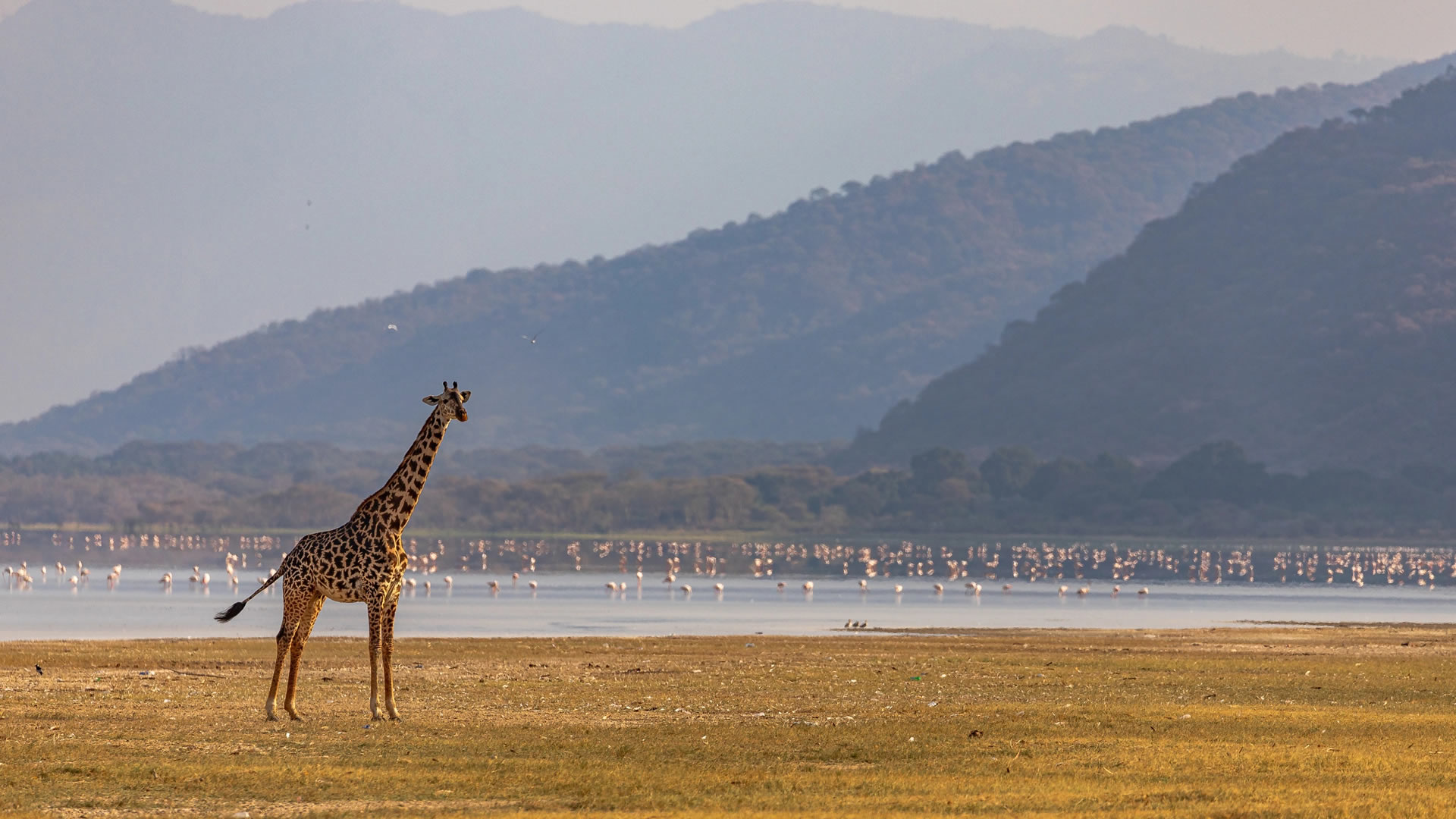 Giraffe at the Lake Manyara National Park
 One of Tanzania’s smaller wildlife reserve, Lake Manyara National Park is spectacular scenic and incredibly diverse. Although only a third of the park consists of dry land, the reserve boasts a higher diversity of plant and animal species than the far larger Serengeti. Lake Manyara National Park is home to a diverse ecosystem which contains a range of habitats, including a soda lake, acacia woodland, equatorial forest, several types of savannah, and even mountain slopes. Lesser flamingos and pelicans thrive at Lake Manyara, but its alkaline waters are undrinkable for most other animals. However, many animals are forced to drink Lake Manyara’s alkaline waters to survive the dry season since most other water sources dry up completely. Lake Manyara National Park is famous for its tree-climbing lions. The park’s lions tend to climb trees far more often than lions in the Serengeti National Park or Tarangire National Park. This phenomenon has baffled scientists and seeing tree climbing lions on a game drive is an unforgettable experience. Lake Manyara National Park is home to 400 bird species, and it is a paradise for bird enthusiasts. The park also contains water buffaloes, zebras, antelopes, wildebeests, and the world’s largest concentration of baboons.
Lake Manyara National Park provides a great introduction to Tanzania’s birdlife. More than 400 species have been recorded and you might be able to observe 100 in one day. The park supports a big array of water-associated birds, including pelicans. When the water level is right, thousands of pink-hued flamingos flock to the lake to breed and feed. Unfortunately, access to the shore is restricted and you might not be able to see them. More than 50 species of bird of prey have been recorded including crowned eagle and African hawk eagle. Migratory birds are present from November to April. Lake Manyara hosts over 1.9million of pink flamingoes, including the lesser flamingoes and greater flamingoes, the great white pelican, yellow-billed stork, grey heron,pink-backed pelican, egrets, crowned eagles, stilt herons, spoonbills, silvery checked hornbills, crested guinea fowl among others.

Tanzania's smallest but most renowned national parks, globally famous as the site of Jane Goodall's groundbreaking chimpanzee research.
Gombe National Park

It's the third largest national park in Tanzania, and its inaccessibility contributes to its pristine wilderness
Katavi National Park

One of the few places in Africa where lions are regularly seen climbing and lounging in trees.
Lake Manyara National Park
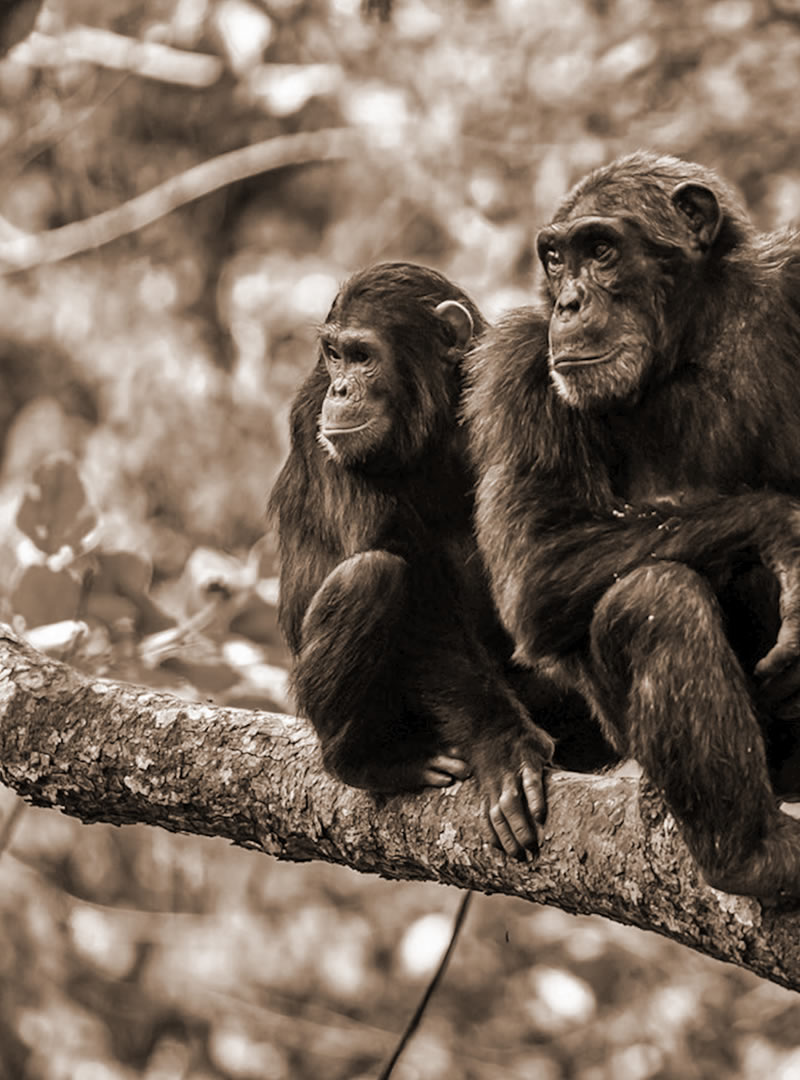
known for its chimpanzee trekking, offering an unparalleled opportunity to observe these incredible primates
Mahale Mountains National Park

Mikumi National park is home to a unique species of giraffe compared to its counterparts, with a mix of the Masai giraffe and the reticulated giraffe
Mikumi National Park
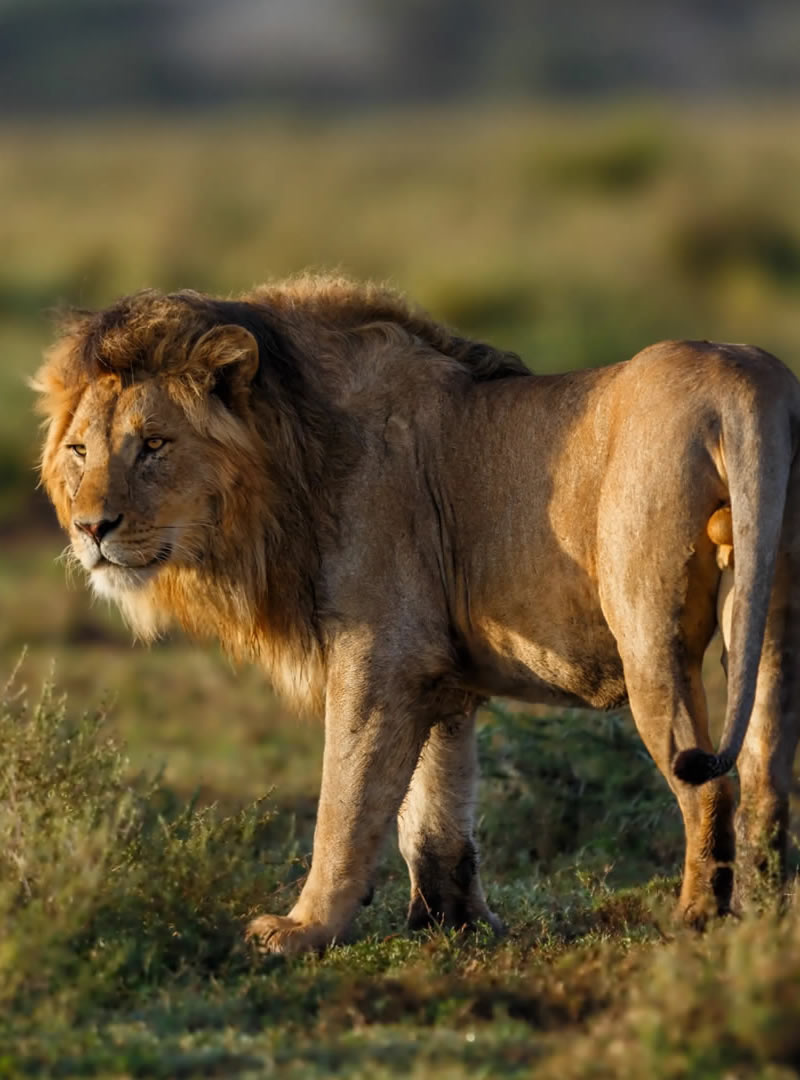
Its most famous feature is the spectacular Ngorongoro Crater, often referred to as the "Eighth Wonder of the World."
Ngorongoro Conservation Area
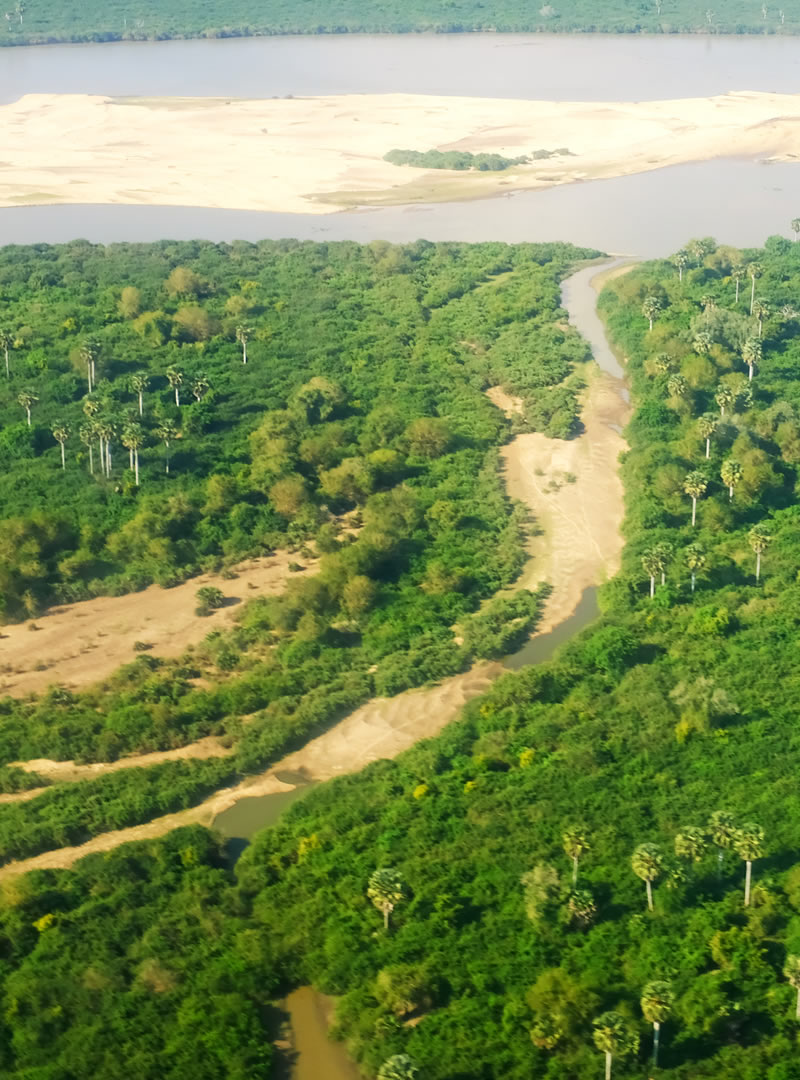
Formerly the vast northern part of the Selous Game Reserve, is Tanzania's largest national park and Africa's largest protected area.
Nyerere National Park
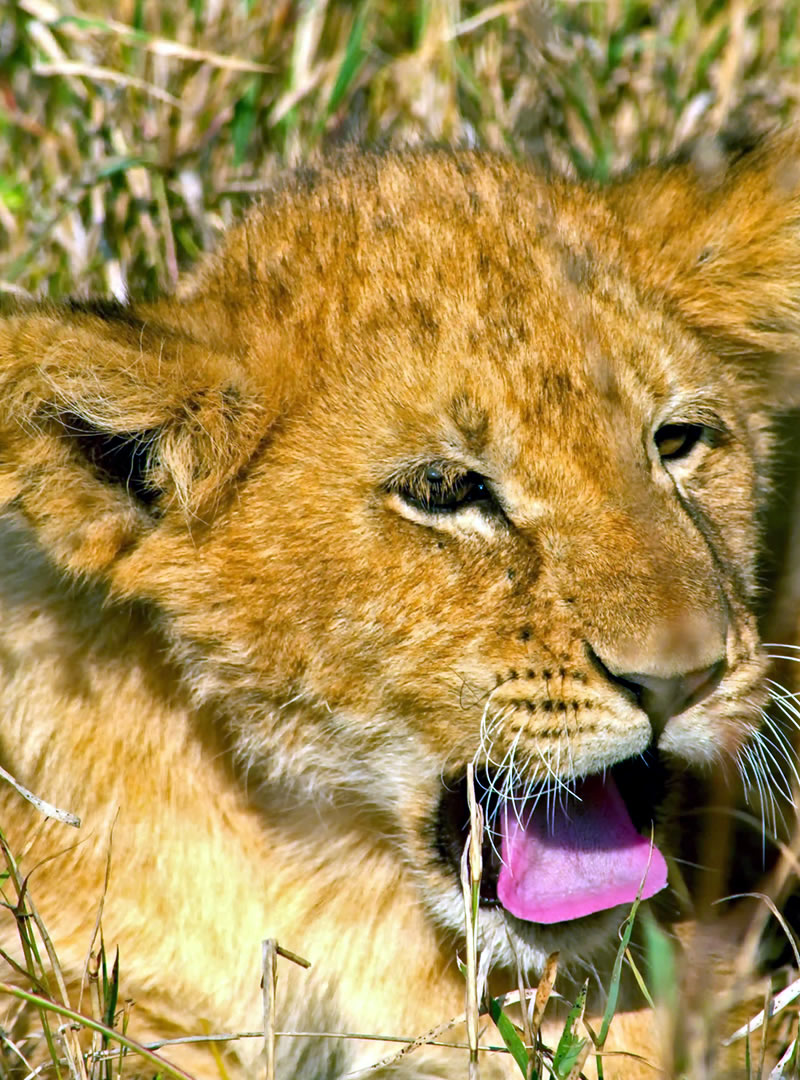
A wild and untamed gem, representing one of Africa's most authentic and rewarding safari experiences.
Ruaha National Park

Renowned for its incredible wildlife density and, most famously, the annual Great Wildebeest Migration
Serengeti National Park
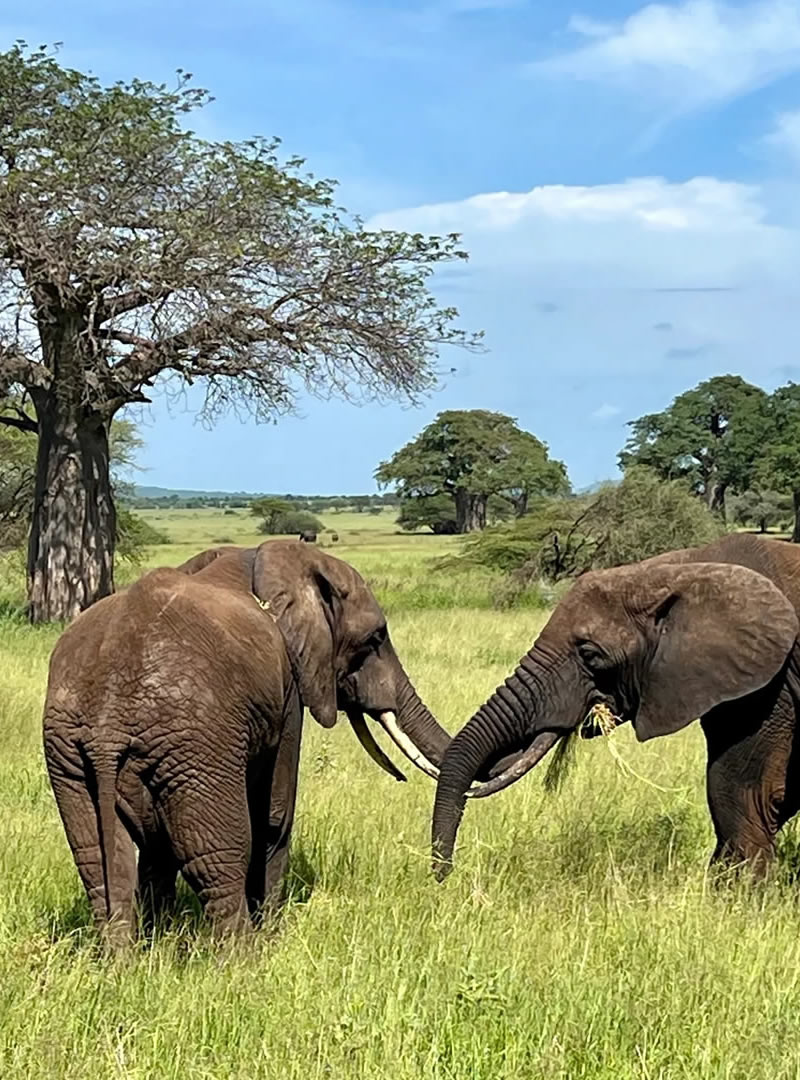
Famous for its enormous elephant herds, iconic baobab trees, and its role as a dry-season refuge for a vast amount of wildlife
Tarangire National Park
We are easy to reach. You can call us on +254 115 351564 | +254 106 355764. Send us emails on info@viagensafricasafaris.com and you will receive a prompt response from us.