Tanzania
Its most famous feature is the spectacular Ngorongoro Crater, often referred to as the "Eighth Wonder of the World."
Ngorongoro Crater is part of the Ngorongoro Conservation Area, a UNESCO World Heritage Site that spans 8,300 sq km (3,200 sq miles) across Tanzania’s Crater Highlands. Away from the hive of activity around the crater you can take in more volcanic scenery, including two smaller craters — Olmoti and Empakai. You also have the sheer cliffs of the Great Rift Valley, and the vivid waters of Lake Natron, a salt and soda lake tinged raspberry and orange by salt-loving microorganisms.
There are lots of hiking opportunities in these untouched areas, taking you through forests, grasslands and rocky outcrops, and into volcanic craters along Maasai cattle trails. You can also spend time in Maasai communities for an authentic taste of their culture, where you can have a go at herding cattle and visit a local soko (market).
Within the Ngorongoro Conservation Area is Olduvai Gorge, one of the most significant sites for hominid fossil discoveries in the world. It was in this steep-sided gorge that the earliest known human ancestors lived just under two million years ago, and some of their petrified remains were found here during the mid-20th century. You can visit the gorge’s museum, where real fossils and casts of the early human skulls are on display.
The Ngorongoro Crater - with its lush green plains, woodland trees and wildflowers - is one of the most popular travel destinations in Tanzania. A stunningly beautiful place, it's often referred to as the ‘Garden of Eden’. Ngorongoro has been the site of numerous archaeological discoveries over the years, and it's now one of the best places for safari in East Africa.
The Ngorongoro National Park is located west of Arusha, connecting to the Serengeti in the north-west and to the Great Rift Valley in the east. The park was established as a conservation area for wildlife and the semi-nomadic Maasai population that reside in it. The caldera is an important landmark for human history, as well as an essential habitat safeguarding animal diversity. Despite its small area, the caldera has excellent bio-diversity, and several globally threatened species live on these plains. These plains form part of the route of the Great Migration.
The caldera is of scientific importance as important discoveries were made here that shed light on the path of human evolution. Aside from the main caldera, there are two other volcanic craters: the Olmoti and Empakai. The Olmoti is famed for its beautiful waterfalls, and the Empakai is known for its deep lake and lush green walls.
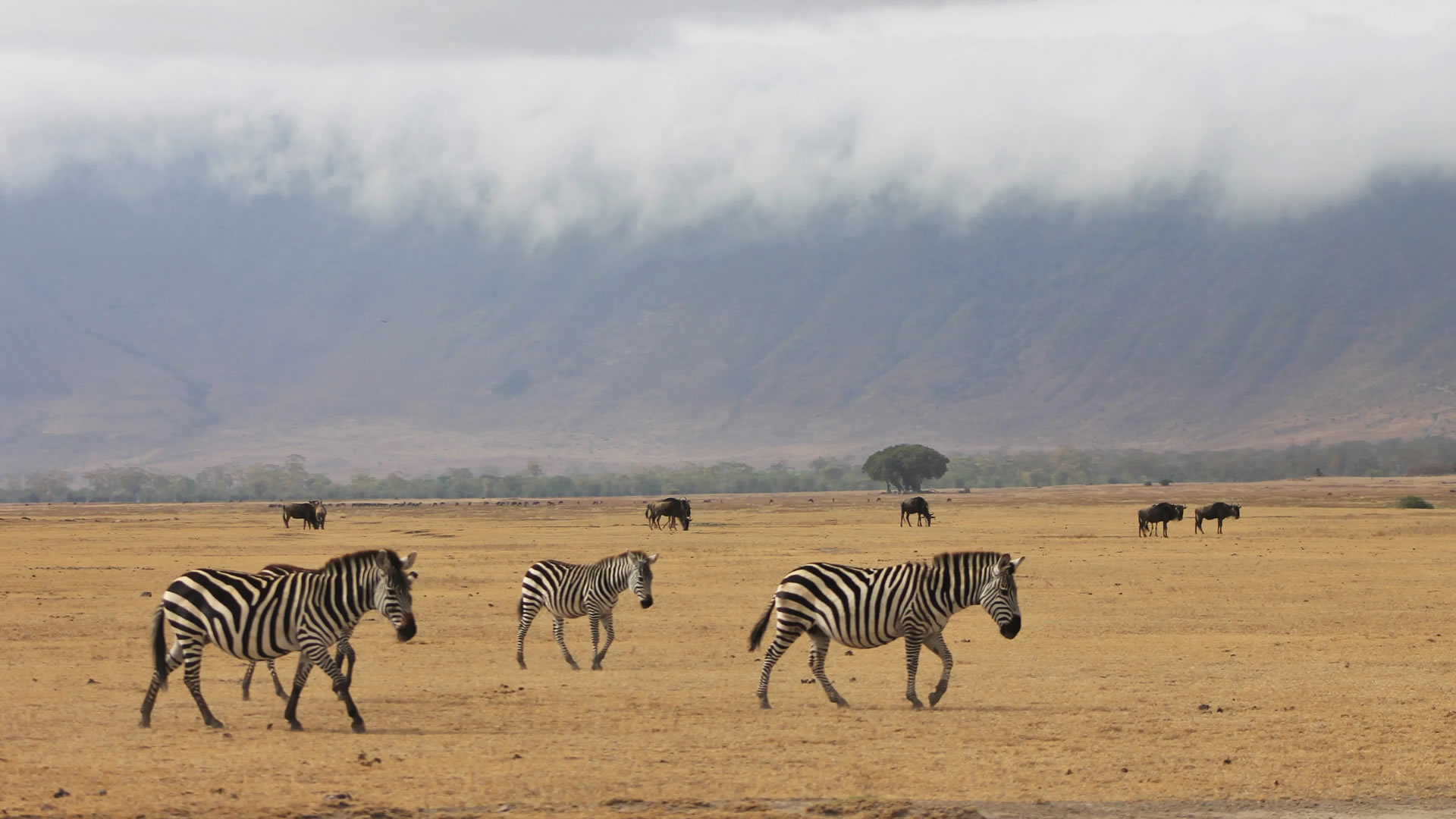 Zebras at the Ngorongoro Conservation Area
 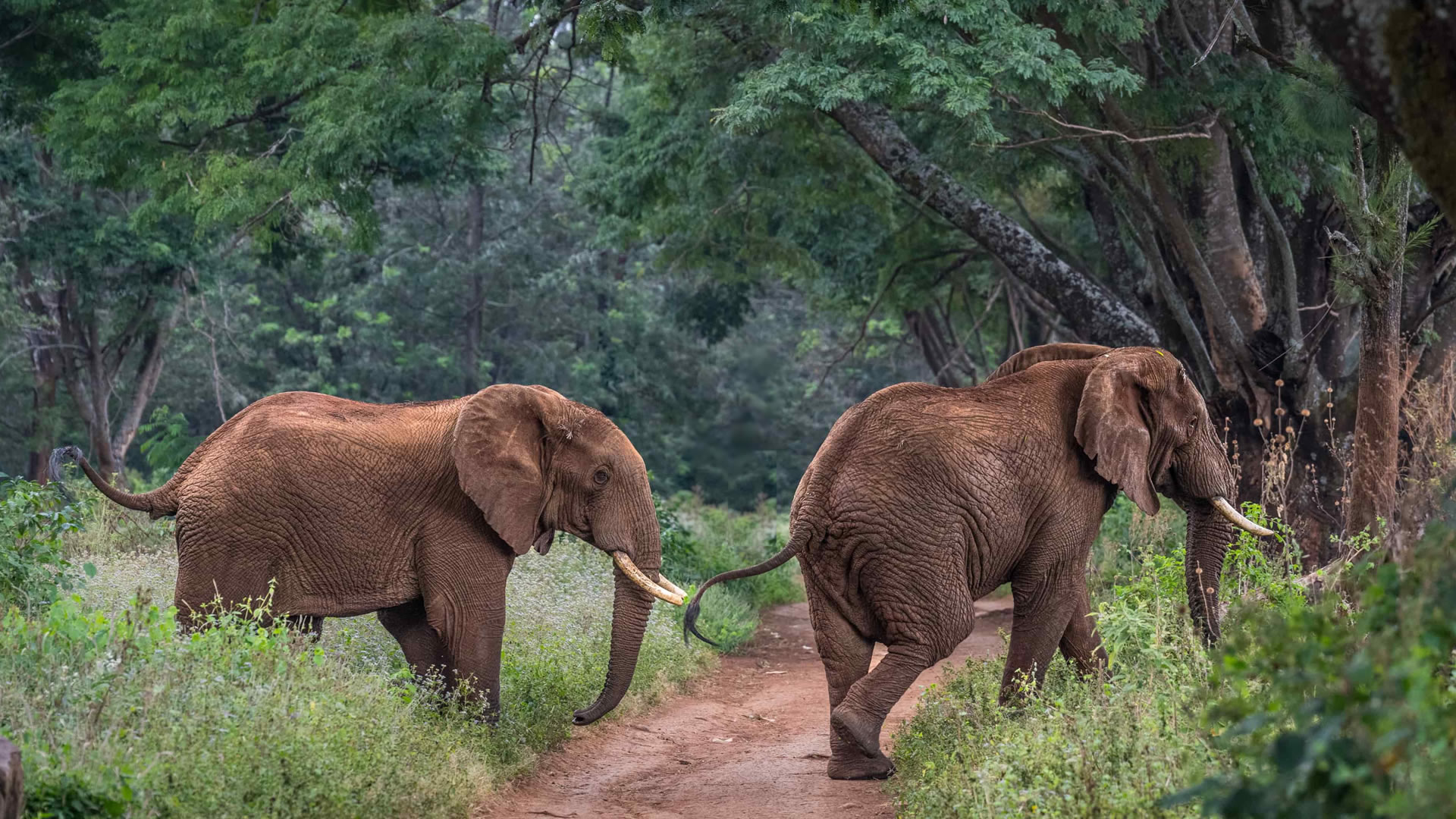 Elephants at the Ngorongoro Conservation Area
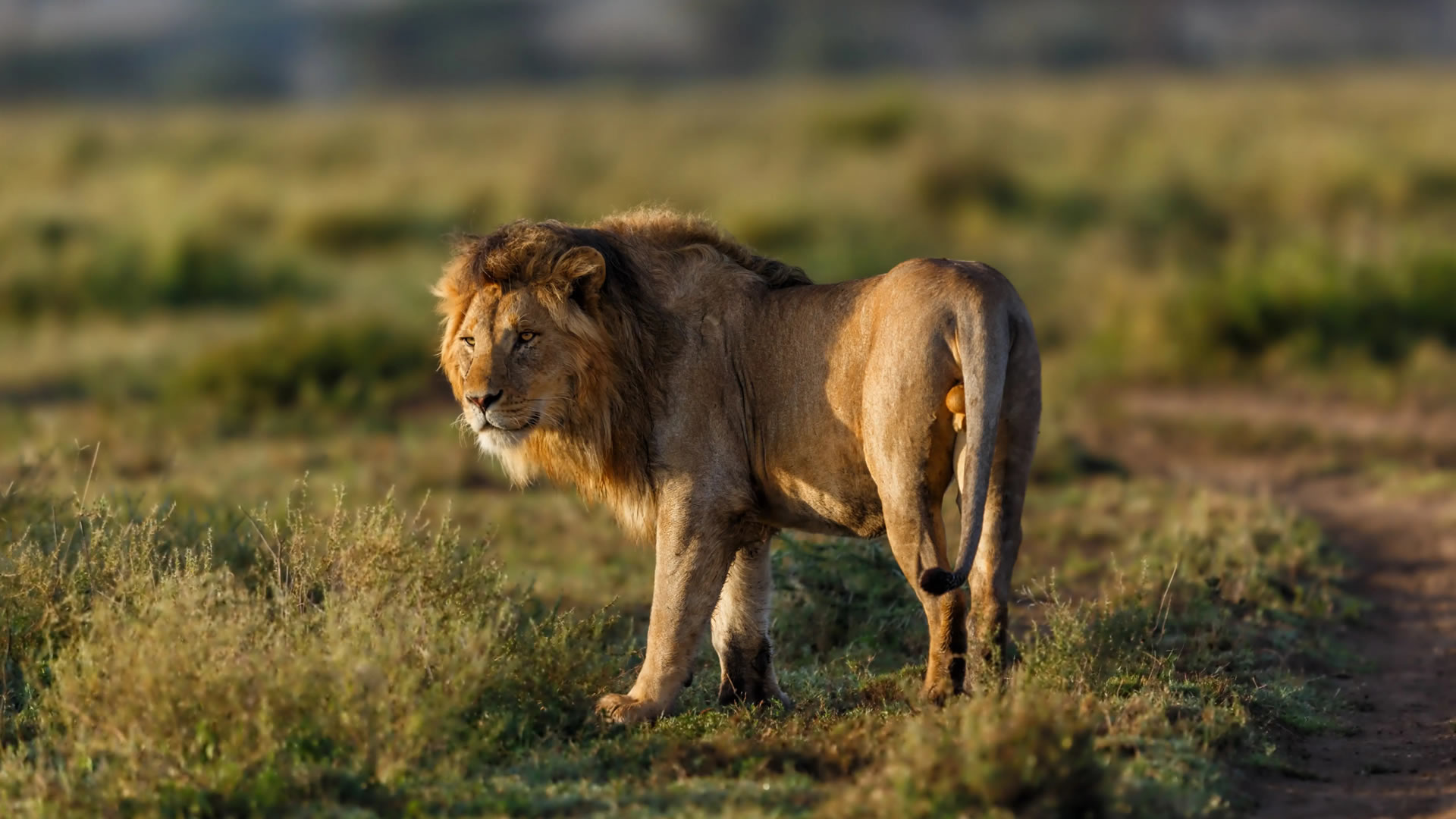
 The Ngorongoro Crater is without a doubt Tanzania’s most productive Big Five destination. The crater floor teems with wildlife, and predator sightings tend to be exceptional. It harbors the world’s densest lion population and spotted hyenas are equally common. Look out for smaller carnivores, such as golden and black-backed jackals and bat-eared foxes. If you’re lucky, you might also see a serval hunting small rodents or birds. Most safari heavyweights are well represented in the crater. Black rhino is the star attraction and big numbers of buffalo sweep across the grassy plains. Elephant herds rarely come through, but many lone bulls carrying massive tusks have made the crater floor their home. Although giraffes are common in the greater conservation area, you won’t find any inside of the crater. Presumably the steep walls form a natural barrier for them.
There is excellent birding in the Ngorongoro Crater. Even from a great distance, you’ll see flocks of pink flamingos in Lake Magadi. Come closer, and you’ll also spot ducks, herons, storks and waders. The crater’s most noticeable grassland residents include ostrich, kori bustard, grey crowned crane, secretary bird and rosy-throated longclaw. Be careful at the picnic spot: black kites are adept at swooping down to steal people’s lunch out of their hands. The forested crater rim has its own birdlife. Specials include white-eyed slaty flycatcher, Schalow’s turaco and several high-altitude sunbird species. Migratory birds are present from November to April. Although the birdlife in the Ngorongoro Crater is good throughout the year, the variety is greatest from November to April when Palearctic and intra-African migratory species are present, and many resident birds are in breeding plumage. The best time to watch wildlife is during the Dry season, which is June to October.

Tanzania's smallest but most renowned national parks, globally famous as the site of Jane Goodall's groundbreaking chimpanzee research.
Gombe National Park

It's the third largest national park in Tanzania, and its inaccessibility contributes to its pristine wilderness
Katavi National Park

One of the few places in Africa where lions are regularly seen climbing and lounging in trees.
Lake Manyara National Park
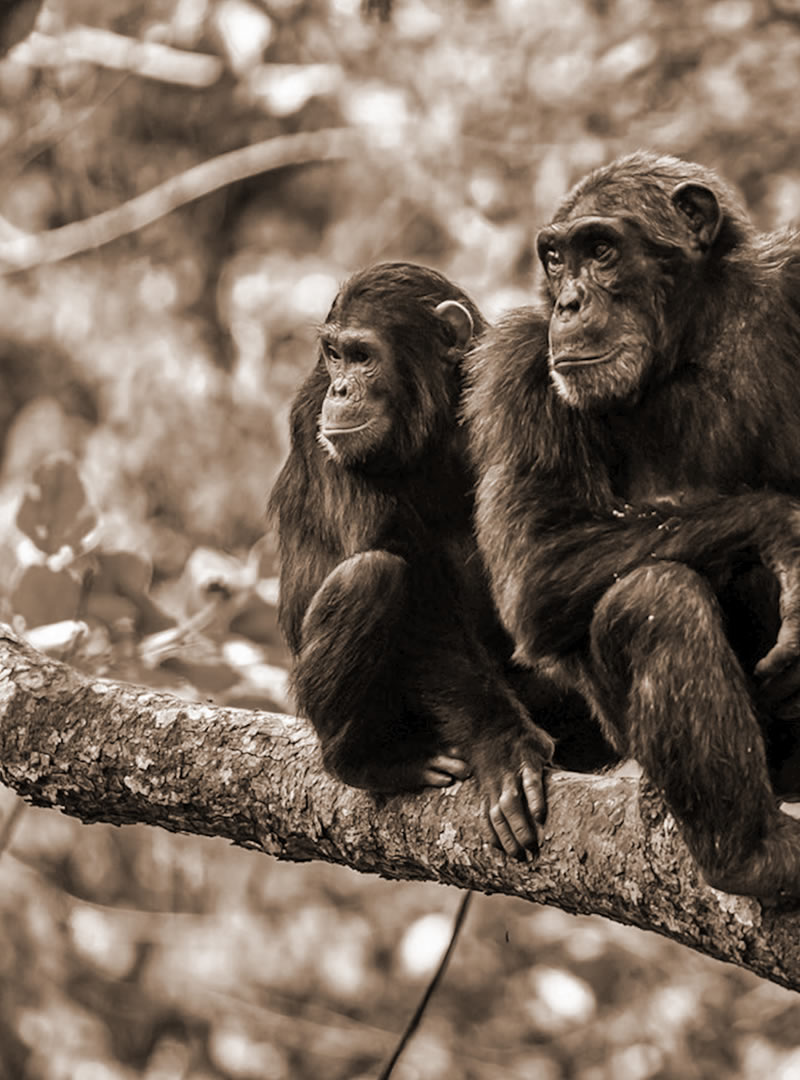
known for its chimpanzee trekking, offering an unparalleled opportunity to observe these incredible primates
Mahale Mountains National Park

Mikumi National park is home to a unique species of giraffe compared to its counterparts, with a mix of the Masai giraffe and the reticulated giraffe
Mikumi National Park
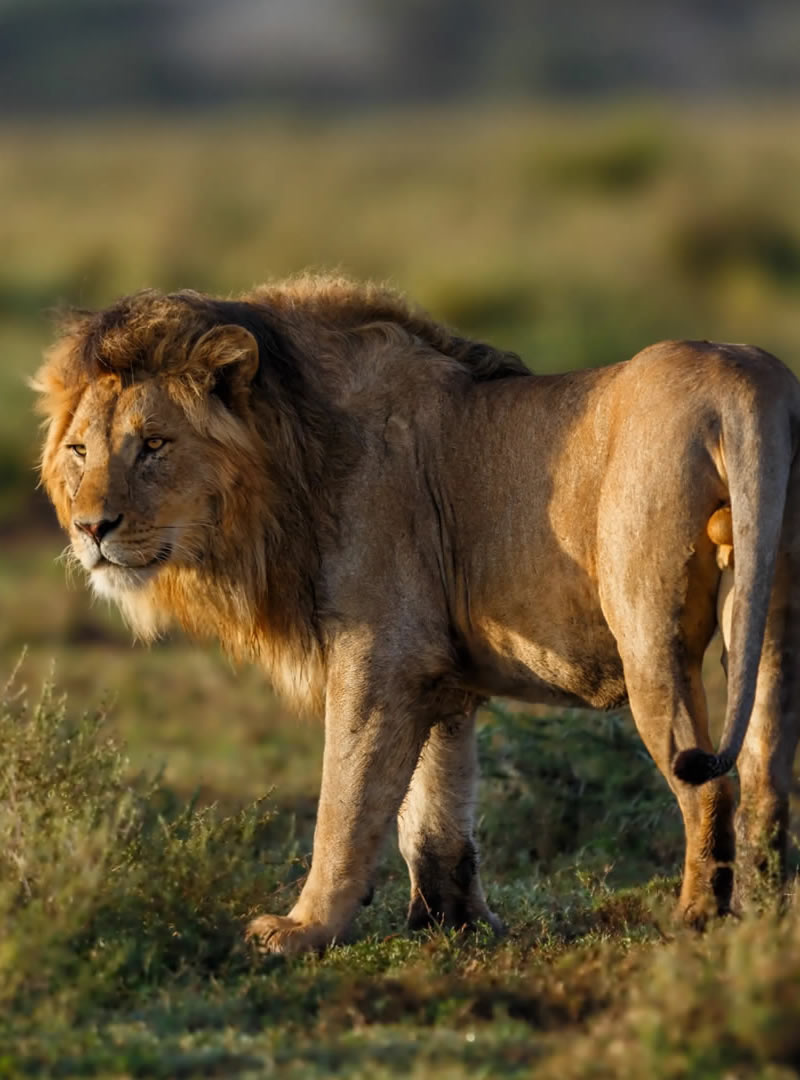
Its most famous feature is the spectacular Ngorongoro Crater, often referred to as the "Eighth Wonder of the World."
Ngorongoro Conservation Area
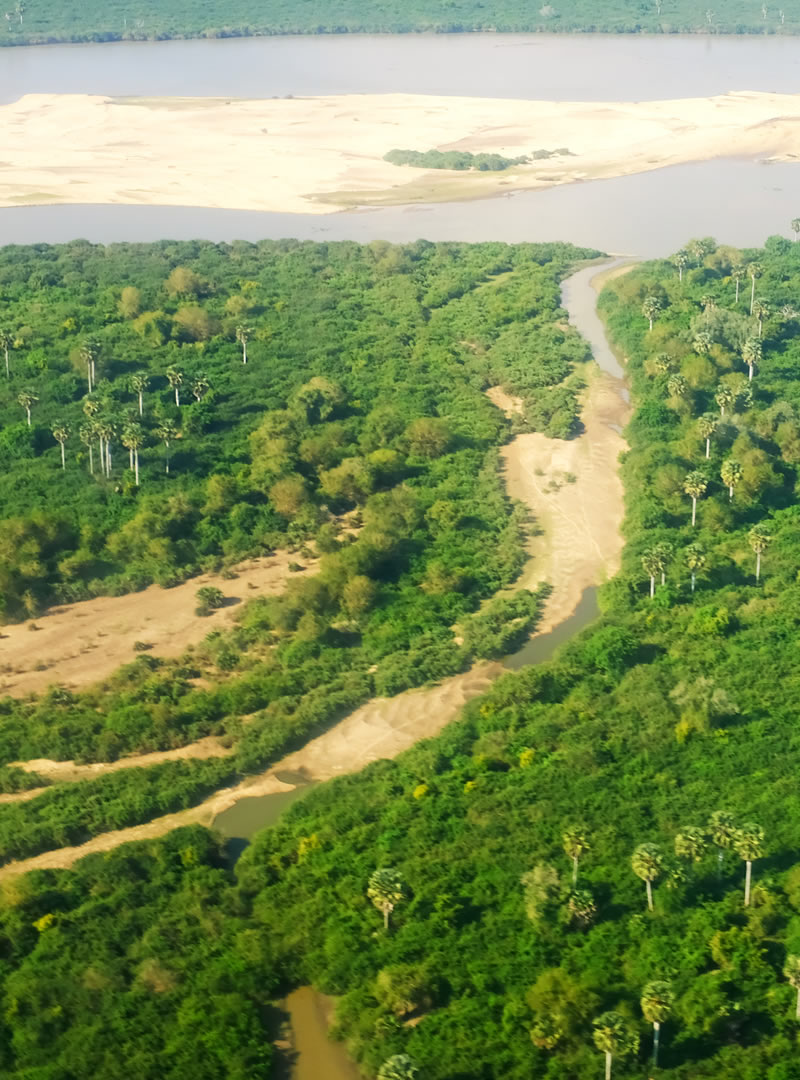
Formerly the vast northern part of the Selous Game Reserve, is Tanzania's largest national park and Africa's largest protected area.
Nyerere National Park
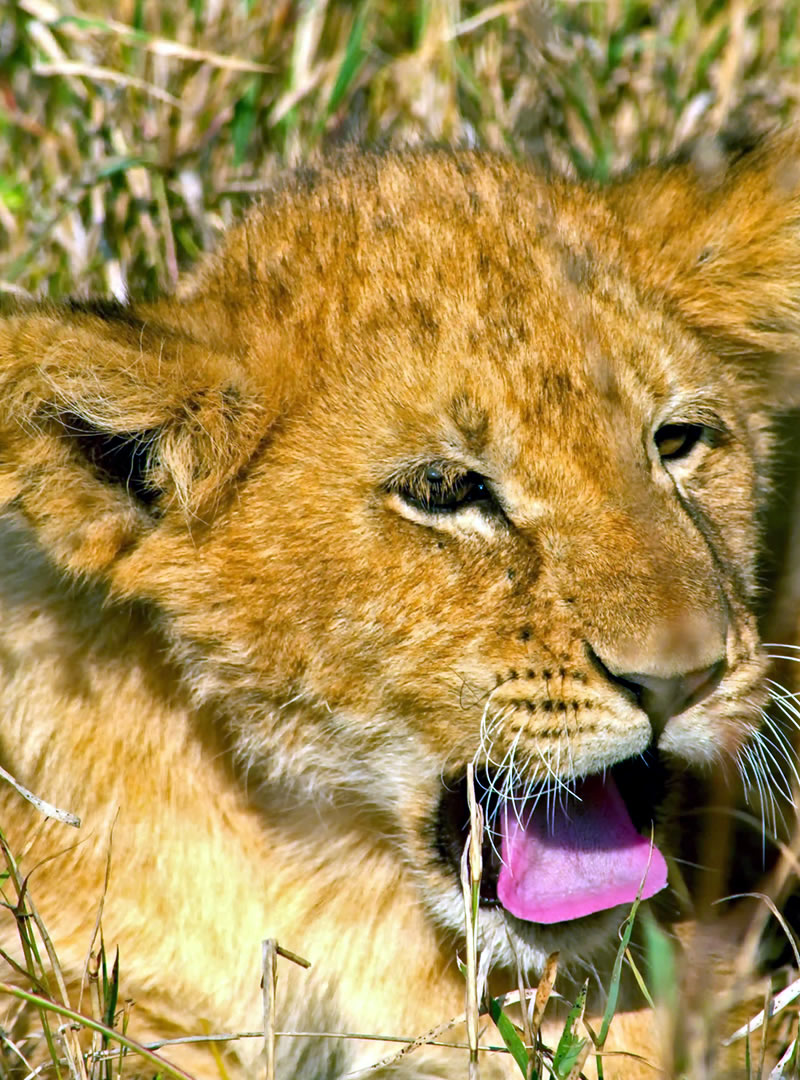
A wild and untamed gem, representing one of Africa's most authentic and rewarding safari experiences.
Ruaha National Park

Renowned for its incredible wildlife density and, most famously, the annual Great Wildebeest Migration
Serengeti National Park
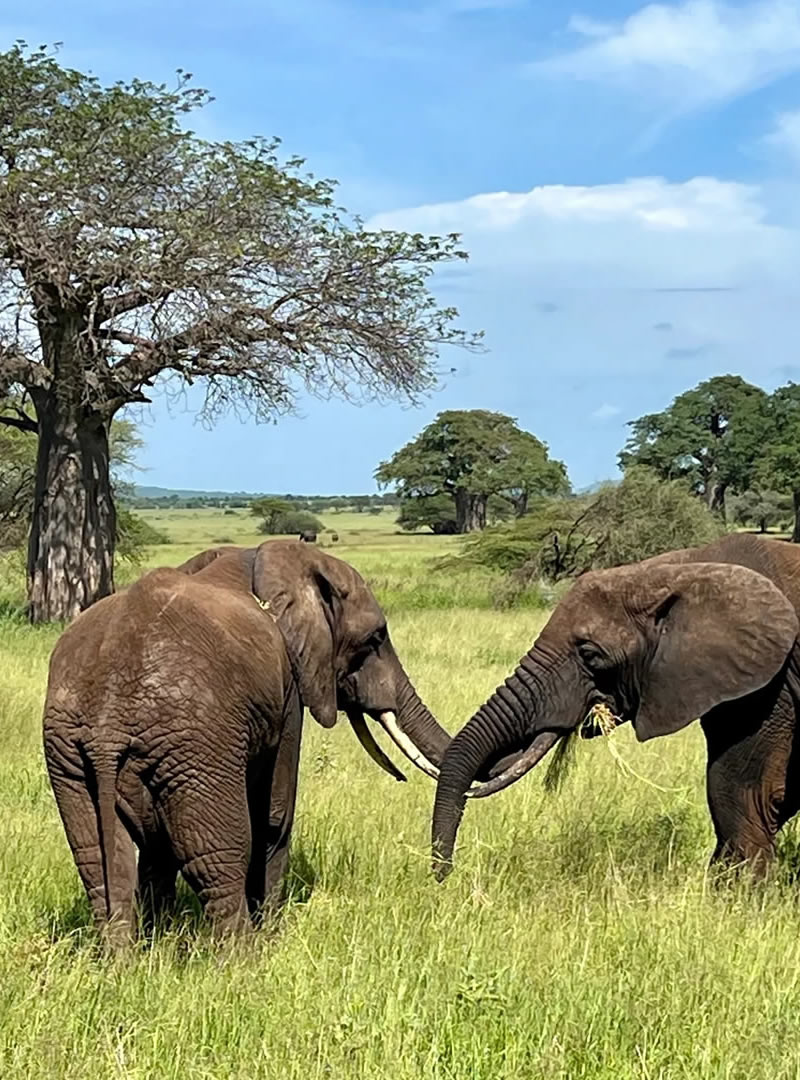
Famous for its enormous elephant herds, iconic baobab trees, and its role as a dry-season refuge for a vast amount of wildlife
Tarangire National Park
We are easy to reach. You can call us on +254 115 351564 | +254 106 355764. Send us emails on info@viagensafricasafaris.com and you will receive a prompt response from us.